25 August, 2026

Some injuries affect far more than a person’s immediate health. They may require ongoing medical care, prevent someone from returning to work, or change how a person manages everyday activities. At The Barnes Firm, we understand that these injuries can create difficult medical, financial, and legal questions for injured individuals and their families.
A catastrophic injury lawyer in California may examine the severity of the injury, its expected long-term effects, how it occurred, and which parties may be responsible. The term “catastrophic” does not depend on the name of an injury alone. Its lasting impact on the injured person’s health, independence, employment, and quality of life may also be important.
If you suffered a serious injury in California and have questions about what to do next, The Barnes Firm is here to help. Call (800) 800-0000 to speak with an attorney and learn more about your options.
In personal injury claims, a catastrophic injury generally refers to one that causes severe, permanent, or long-term limitations. The person may require extensive treatment, rehabilitation, assistance with daily activities, or significant changes to their home and routine.
Important considerations may include:
Two people with similar diagnoses may experience very different outcomes. For that reason, a California catastrophic injury claim often requires an individualized assessment of how the injury has affected the person and what support may be needed in the future.
A catastrophic injury is defined by its consequences rather than by a single list of qualifying conditions. However, certain injuries are more likely to result in permanent impairments or extensive care needs.
Examples may include:
Not every injury in these categories will necessarily be considered catastrophic. Medical findings, functional limitations, treatment needs, and the ability to work and live independently may all affect how the injury is evaluated.
The severity of an injury does not establish who was legally responsible for causing it. A claimant generally must also show how another person, business, or organization may have contributed to the incident.
Catastrophic injuries may arise from motor vehicle collisions, unsafe properties, defective products, acts of negligence, or accidents involving commercial vehicles and worksites. Responsibility can depend on where the incident happened, who controlled the location or equipment, what safety rules applied, and whether more than one party contributed.
Important liability questions may include:
A long-term injury claim in California may involve losses that continue for years. Documentation can help connect the accident to the injury and explain how the person’s medical, professional, and personal needs have changed.
Helpful evidence may include:
Evidence from the accident scene may disappear, and witnesses’ memories can become less detailed over time. Preserving available information early may help clarify both liability and the extent of the resulting losses.
A catastrophic injury can affect nearly every part of a person’s financial and personal life. Evaluating these losses may require more than adding together current medical bills.
Depending on the circumstances, a California catastrophic injury claim may involve:
California’s civil jury instructions recognize categories such as medical expenses, lost earnings, lost earning capacity, physical pain, mental suffering, and loss of enjoyment of life. The losses that may be considered in a particular case will depend on the evidence and the person’s circumstances.
Serious injury claims can involve extensive medical evidence, disputed liability, multiple insurance policies, and questions about future needs. A serious injury lawyer in California may be able to assist by:
Deadlines can depend on the type of claim and the party involved. For example, California generally provides a two-year limitations period for an action involving injury caused by another person’s wrongful act or neglect, but shorter claim-presentation requirements may apply in matters involving a government entity.
Understanding whether an injury qualifies as catastrophic requires looking beyond the initial diagnosis. Long-term treatment, future expenses, lost earning capacity, changes in independence, liability evidence, and available insurance may all influence the claim.
If you have questions after a life-altering injury, a catastrophic injury lawyer in California can help you understand the issues that may affect your next steps. To learn more, contact The Barnes Firm online or call (800) 800-0000.
Written by The Barnes Firm, reviewed by Richard Barnes
Richard Barnes: “As President of The Barnes Firm, I have dedicated my career to achieving justice in hundreds of cases for the victims of injuries caused through the fault of others. Additionally, I have been honored to have been elected Best Lawyer and a Super Lawyer”
Years of Experience: 30+ years
LinkedIn Profile: Richard Barnes

Getting our clients the best results possible.
or call us at
(800) 800-0000

“I had an outstanding experience with The Barnes Firm, thanks to Nahuel Cruz and Aybike Donuk. Their professionalism, expertise, and dedication were evident through...
“Both Jeff Bodily and Mayra Wallis were wonderful to deal with. Very professional, knowledgeable, supportive and helped me navigate through a very stressful time af...
“My personal Injury Attorney was Jake Otis, he provided accurate timely advise and encouragement throughout the process. He is a true gentleman , his knowledge and ...
“I’ve had an exceptional experience with Mory Ahmadi, Esq. from the Barnes Firm. Mory’s professionalism, knowledge of personal injury law, and compassionate app...
“My personal injury lawyer was The Barnes Firm, they helped me with my injury lawsuit. I can’t thank them enough! John Sheehan and his team were there for me ever...
“I had a great experience working with Richard Amico and his team. They were responsive to my questions and got me a great settlement. They definitely were working ...

This page has been written, edited, and reviewed by a team of legal writers following our comprehensive editorial guidelines. This page was approved by attorney president Rich Barnes who has more than 30+ years of legal experience as a practicing personal injury trial attorney.
The Barnes Firm is here to help you. Our personal injury firm helps individuals and their families who
have suffered an injury in an accident.
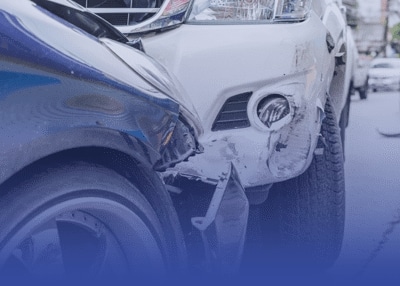
Whether your car crash was minor or serious, any injuries sustained in an accident can be painful and costly.

All motorcycle accidents are different, the compensation you receive will depend on the circumstances surrounding your accident.

A truck accident can be catastrophic, even in low-impact crashes, if you or your family are involved, you may be entitled to significant financial compensation.

There are dozens of accidents involving school buses each year, most commonly, involving children outside a school bus.
Explore Articles Related to Your Situation

Dealing with a personal injury after an accident brings many questions—especially about how m...
read more
Whether you live in a state where your insurance is governed by a no-fault or at-fault regime c...
read more
People who suffer injuries because of another person’s negligence may be able to pursue compe...
read more
Do I Have to Pay Medical Bills Out of My Settlement? The goal of a personal injury claim is ...
read moreWe are always available to discuss your case. Give us a call at (800) 800-0000.
Fill out our form and we will contact you shortly to discuss your case
Our attorneys will come to your home, office or hospital at your convenience.
We are available anytime, including after hours and
weekends.
500 Pearl Street
Suite #700
Buffalo, NY 14202
Phone: (800) 800-0000
Fax: +1 (800) 853-5153
420 Lexington Avenue
Suite #2140
New York, NY 10170
Phone: (800) 800-0000
Fax: +1 (800) 853-5153
600 Old Country Road
Suite #425
Garden City, NY 11530
Phone: (800) 800-0000
Fax: +1 (800) 853-5153
28 East Main Street
Suite #600
Rochester, NY 14614
Phone: (800) 800-0000
Fax: +1 (800) 853-5153
451 Grider Street
Buffalo, NY 14215
Phone: (800) 800-0000
Fax: +1 (800) 853-5153
633 West 5th Street
Suite #1750
Los Angeles, CA 90071
Phone: (800) 800-0000
Fax: +1 (888) 800-7050
555 12th Street
Suite #1470
Oakland, CA 94607
Phone: (800) 800-0000
Fax: +1 (888) 800-7050
655 W. Broadway
Suite #940
San Diego, CA 92101
Phone: (800) 800-0000
Fax: +1 (888) 800-7050
