19 October, 2020
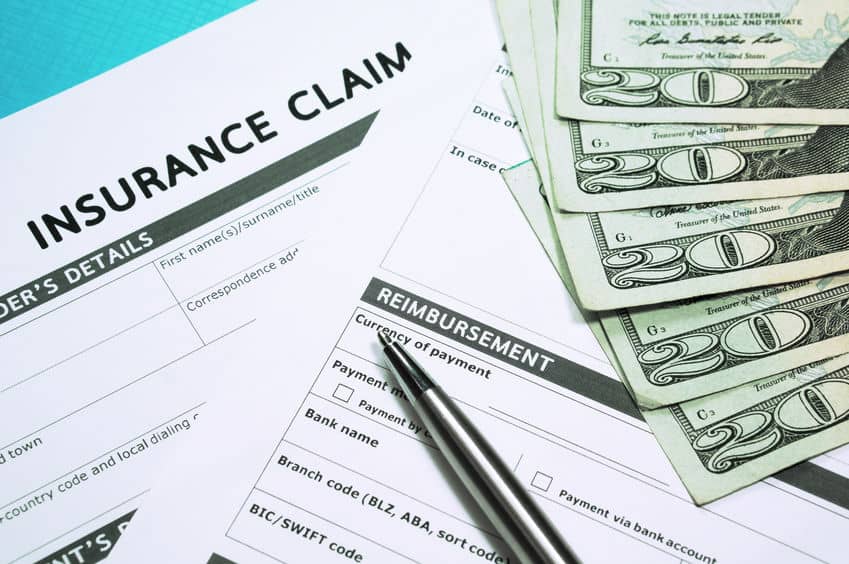
When something unexpected like a car accident happens, many people assume insurance will cover their losses right away. However, the claims process can be confusing, especially when you are dealing with vehicle damage, repair estimates, policy limits, and deductibles. One of the most common questions after a crash is who pays the deductible for vehicle repairs and whether that money can be recovered later from the at-fault driver’s insurance company.
In many cases, you may have to pay your deductible before your vehicle is repaired under your own collision or comprehensive coverage. Whether you can recover that deductible later depends on who caused the accident, what insurance coverage applies, and whether the at-fault driver’s insurance company accepts responsibility.
Understanding your coverage and how deductibles work can help you make informed decisions after a car accident. If another driver caused the crash and the insurance company refuses to reimburse your deductible or delays the claim, a car accident attorney may be able to help you review your options.
A car insurance deductible is the amount of money you are responsible for paying before your insurance coverage helps cover certain vehicle damage claims. Deductibles most commonly apply to collision and comprehensive coverage. For example, if you have a $500 deductible and it costs $3,000 to repair your vehicle, you may need to pay $500 first. Your insurance company would then cover the remaining $2,500, depending on the terms and limits of your policy.
When you choose an auto insurance policy, you usually select your deductible amount. A higher deductible may lower your premium, but it also means you pay more out of pocket if you need to file a claim. A lower deductible may result in a higher premium, but it can reduce the amount you owe after an accident. Because every policy is different, it is important to review your insurance documents to understand when a deductible applies and how much you may be required to pay.
Understanding your auto insurance policy can make the claims process easier after a car accident. Different types of coverage may apply depending on who caused the crash, whether anyone was injured, and whether your vehicle was damaged.
Common types of auto insurance coverage include:
Deductibles usually apply to collision and comprehensive coverage. Liability coverage generally does not require the injured person to pay a deductible. If you are unsure which coverage applies after your crash, your policy documents, insurance adjusters, or an attorney may help clarify your options.
Determining who pays a deductible after a car accident often depends on how the claim is handled and who caused the crash. If you use your own collision coverage to repair your vehicle, you may need to pay your deductible first, even if the accident was caused by someone else. If another driver was at fault, your insurance company may later seek reimbursement from the at-fault driver’s insurer through a process called subrogation. If that process is successful, you insurer may reimburse your deductible. However, the timing can vary, and the reimbursement is not always immediate.
If you file directly with the at-fault driver’s insurance company and that company accepts liability, you may not have to pay your own deductible. However, the claim may take longer if the other insurer is still investigating fault, reviewing damages, or disputing responsibility.
Evidence can play an important role in determining fault. Helpful evidence may include:
The clearer the evidence, the easier it may be to show who caused the accident and who should ultimately be responsible for paying damages.
You typically pay your deductible when you file a covered claim under your own collision or comprehensive insurance. This may happen if your vehicle needs repairs quickly, if the at-fault driver’s insurance company has not accepted responsibility, or if the other driver does not have insurance. Paying your deductible can allow repairs to begin sooner while the insurance companies sort out fault and reimbursement. However, if you were not at fault, you may be able to recover your deductible later if the responsible party’s insurer pays the claim.
If you were at fault for the accident and you use your collision coverage, you generally should not expect another insurer to reimburse your deductible. Your own insurer may cover the remaining repair costs based on your policy, but the deductible usually your responsibility. If fault is shared or disputed, deductible reimbursement may become more complicated. In those situations, legal guidance may help you understand whether you have options for recovering your out-of-pocket costs.
If another driver caused the accident, that driver’s insurance company may be responsible for paying your property damage claim, including repair costs. In many cases, this can include reimbursement for your deductible if you pain through your own insurance first.
However, insurance companies may dispute fault, delay payment, or offer less than the full value of the damage. They may also challenge whether all repairs are related to the accident. This is why documentation is important after a crash. This includes:
These records may help support your claim and show the financial losses caused by the accident.
If the at-fault driver does not have insurance, you may need to rely on your own coverage. Collision coverage may help pay for vehicle repairs, but your deductible may still apply. If your policy includes uninsured motorist property damage coverage, it may also help depending on your state and policy terms.
Uninsured driver claims can be frustrating because there may be limited insurance available to cover your losses. A car accident lawyer can review your policy and help determine whether there are other sources of compensation.
If you had to pay a deductible for an accident caused by another driver, you may be able to recover that amount from the at-fault party’s insurance company. If the insurer refuses to pay, delays reimbursement, disputes fault, or undervalues your damages, an attorney can help review the claim.
A car accident attorney may help by:
A deductible may be only one part of your claim. If you were injured in the accident, you may also have the right to pursue compensation for additional losses caused by the crash.
After a car accident, dealing with deductibles, repairs, and insurance companies can be stressful. If another driver caused the accident, you should not be left paying out of pocket for losses that should be covered by the responsible party.
At The Barnes Firm, our car accident attorneys have experience handling insurance claim disputes and personal injury claims after serious crashes. We can review your case, explain your legal options, and help pursue the compensation you may be entitled to receive.
For a free consultation with one of our experienced attorneys, contact us online or call our office at (800) 800-0000. We are available 24/7 to help.
Written by The Barnes Firm, reviewed by Richard Barnes
Richard Barnes: “As President of The Barnes Firm, I have dedicated my career to achieving justice in hundreds of cases for the victims of injuries caused through the fault of others. Additionally, I have been honored to have been elected Best Lawyer and a Super Lawyer”
Years of Experience: 30+ years
LinkedIn Profile: Richard Barnes

Getting our clients the best results possible.
or call us at
(800) 800-0000

“I had an outstanding experience with The Barnes Firm, thanks to Nahuel Cruz and Aybike Donuk. Their professionalism, expertise, and dedication were evident through...
“Both Jeff Bodily and Mayra Wallis were wonderful to deal with. Very professional, knowledgeable, supportive and helped me navigate through a very stressful time af...
“My personal Injury Attorney was Jake Otis, he provided accurate timely advise and encouragement throughout the process. He is a true gentleman , his knowledge and ...
“I’ve had an exceptional experience with Mory Ahmadi, Esq. from the Barnes Firm. Mory’s professionalism, knowledge of personal injury law, and compassionate app...
“My personal injury lawyer was The Barnes Firm, they helped me with my injury lawsuit. I can’t thank them enough! John Sheehan and his team were there for me ever...
“I had a great experience working with Richard Amico and his team. They were responsive to my questions and got me a great settlement. They definitely were working ...

This page has been written, edited, and reviewed by a team of legal writers following our comprehensive editorial guidelines. This page was approved by attorney president Rich Barnes who has more than 30+ years of legal experience as a practicing personal injury trial attorney.
The Barnes Firm is here to help you. Our personal injury firm helps individuals and their families who
have suffered an injury in an accident.
Whether your car crash was minor or serious, any injuries sustained in an accident can be painful and costly.

All motorcycle accidents are different, the compensation you receive will depend on the circumstances surrounding your accident.

A truck accident can be catastrophic, even in low-impact crashes, if you or your family are involved, you may be entitled to significant financial compensation.

There are dozens of accidents involving school buses each year, most commonly, involving children outside a school bus.
Explore Articles Related to Your Situation
After a car accident, you may begin experiencing neurological symptoms like numbness, fatigue, ...
read more
New York is not an at-fault state. It operates as a “no-fault” state, meaning that re...
read more
What Happens if Whiplash Goes Untreated? Whiplash is a soft tissue injury around your neck and...
read more
That feeling when you walk out of the grocery store expecting your car to be in the parking lot...
read moreWe are always available to discuss your case. Give us a call at (800) 800-0000.
Fill out our form and we will contact you shortly to discuss your case
Our attorneys will come to your home, office or hospital at your convenience.
We are available anytime, including after hours and
weekends.
500 Pearl Street
Suite #700
Buffalo, NY 14202
Phone: (800) 800-0000
Fax: +1 (800) 853-5153
420 Lexington Avenue
Suite #2140
New York, NY 10170
Phone: (800) 800-0000
Fax: +1 (800) 853-5153
600 Old Country Road
Suite #425
Garden City, NY 11530
Phone: (800) 800-0000
Fax: +1 (800) 853-5153
28 East Main Street
Suite #600
Rochester, NY 14614
Phone: (800) 800-0000
Fax: +1 (800) 853-5153
451 Grider Street
Buffalo, NY 14215
Phone: (800) 800-0000
Fax: +1 (800) 853-5153
633 West 5th Street
Suite #1750
Los Angeles, CA 90071
Phone: (800) 800-0000
Fax: +1 (888) 800-7050
555 12th Street
Suite #1470
Oakland, CA 94607
Phone: (800) 800-0000
Fax: +1 (888) 800-7050
655 W. Broadway
Suite #940
San Diego, CA 92101
Phone: (800) 800-0000
Fax: +1 (888) 800-7050
