13 September, 2024

Autonomous vehicle technology is changing the way people think about transportation. These vehicles are often described as self-driving cars because they use advanced systems to operate with limited or no human input. As this technology becomes more common, many people are wondering what autonomous vehicles are and what happens if one is involved in an accident.
An autonomous vehicle is designed to sense its surroundings, interpret road conditions, and make driving decisions using a combination of sensors, cameras, computer systems, mapping tools, and artificial intelligence. While this technology has the potential to improve transportation, it also raises important questions about safety, liability, insurance, and legal responsibility after a crash.
As a personal injury law firm, The Barnes Firm understands how complicated motor vehicle accident claims can become when advanced technology is involved. If you were injured in a crash involving an autonomous vehicle, automated system, or self-driving feature, it may be important to determine who was responsible and what evidence is needed to support your claim.
Before discussing how these vehicles work, it helps to understand the terminology. Words like autonomous, automated, and self-driving are often used interchangeably, but they do not always mean the same thing.
Understanding these differences matters after an accident. A vehicle may have driver-assistance technology without being fully autonomous. In that situation, the human driver may still be expected to monitor the road and take control when necessary.
Autonomous cars rely on a combination of advanced technologies working together. These systems collect information, interpret the vehicle’s surroundings, and help determine how the vehicle should move.
Autonomous vehicles use sensors, cameras, radar, lidar, and ultrasonic systems to gather information about nearby vehicles, pedestrians, cyclists, traffic signals, lane markings, curbs, and road hazards. These systems help the vehicle detect what is happening around it.
The data collected by sensors is processed onboard computers. These computers use software and algorithms to interpret the information and make decisions about speed, steering, braking, lane position, and obstacle avoidance.
Autonomous vehicles often rely on detailed maps and positioning systems to understand where they are on the road. Mapping data may include road layouts, intersections, traffic signs, lane markings, and other important details.
Some autonomous vehicles may communicate with other vehicles, infrastructure, or cloud-based systems. Connectivity can help share information about traffic, road conditions, or hazards, although the availability and reliability of these systems can vary.
Artificial intelligence helps autonomous systems learn form data and respond to different driving situations. AI may assist with recognizing objects, predicting movement, and reacting to changing road conditions. However, these systems are not perfect, and errors may still occur.
Autonomous vehicle technology is advancing, but there are still major challenges. Safety is one of the most important concerns. Roads are unpredictable, and autonomous systems must be able to respond to pedestrians, emergency vehicles, construction zones, poor weather, unusual road designs, and the actions of other drivers.
Legal responsibility is another major issue. If a crash involves a self-driving feature, determining fault may be more complicated than in a traditional car accident. Liability may involve the human driver, vehicle manufacturer, software developer, maintenance provider, fleet operator, or another party.
Public trust is also a challenge. Many people remain unsure about relying on technology to make decisions behind the wheel. A single accident involving an autonomous vehicle can raise questions about whether the technology was used properly, whether the system failed, or whether the driver should have intervened.
Infrastructure may also affect performance. Autonomous vehicles may depend on clear lane markings, accurate maps, visible signs, and reliable connectivity. Poor road conditions, faded markings, construction zones, and unusual traffic patterns may create challenges for these systems.
Although autonomous vehicles are designed to reduce certain driving errors, accidents can still happen. A crash may occur because of system limitations, software errors, sensor problems, poor maintenance, driver inattention, or confusion about when a human should take control.
Autonomous vehicle accidents may involve:
These cases often require a careful investigation. Evidence may include vehicle data, software logs, maintenance records, crash reports, dashcam footage, witness statements, and information about which driving features were active at the time of the collision.
Liability after an autonomous vehicle accident depends on what caused the crash. In a traditional car accident, fault is often focused on driver behavior. In an autonomous vehicle accident, responsibility may extend beyond the person sitting in the driver’s seat.
Potentially liable parties may include:
Because multiple parties may be involved, autonomous vehicle accident claims can become complex. An attorney can help identify the evidence needed to determine what went wrong and who may be responsible.
Despite the challenges, autonomous vehicles may offer important benefits as the technology develops. These benefits may include improved mobility, increased access for people who cannot drive, reduced congestion, and more efficient travel.
Potential benefits of autonomous vehicles include:
However, these benefits depend on safe design, proper use, clear regulations, reliable infrastructure, and accountability when something goes wrong.
After a crash involving an autonomous vehicle or self-driving feature, documentation can be especially important. If possible, gather information about the vehicle, driver, owner, insurance company, and any automated system that may have been active.
Helpful evidence may include:
Medical records may help document injuries, while vehicle data may help show how the crash happened. Because some evidence may be controlled by a vehicle manufacturer, software company, or fleet operator, acting quickly can be important.
Autonomous vehicle accidents can raise complicated questions about fault, technology, insurance coverage, and liability. If you were injured in a crash involving an autonomous vehicle or self-driving feature, The Barnes Firm can help you understand your legal options.
Our experienced car accident attorneys can investigate the accident, gather evidence, communicate with insurance companies, and help determine whether a driver, manufacturer, software company, or another party may be responsible.
Contact The Barnes Firm online or call (800) 800-0000 today for a free consultation.
Written by The Barnes Firm, reviewed by Richard Barnes
Richard Barnes: “As President of The Barnes Firm, I have dedicated my career to achieving justice in hundreds of cases for the victims of injuries caused through the fault of others. Additionally, I have been honored to have been elected Best Lawyer and a Super Lawyer”
Years of Experience: 30+ years
LinkedIn Profile: Richard Barnes

Getting our clients the best results possible.
or call us at
(800) 800-0000

“I had an outstanding experience with The Barnes Firm, thanks to Nahuel Cruz and Aybike Donuk. Their professionalism, expertise, and dedication were evident through...
“Both Jeff Bodily and Mayra Wallis were wonderful to deal with. Very professional, knowledgeable, supportive and helped me navigate through a very stressful time af...
“My personal Injury Attorney was Jake Otis, he provided accurate timely advise and encouragement throughout the process. He is a true gentleman , his knowledge and ...
“I’ve had an exceptional experience with Mory Ahmadi, Esq. from the Barnes Firm. Mory’s professionalism, knowledge of personal injury law, and compassionate app...
“My personal injury lawyer was The Barnes Firm, they helped me with my injury lawsuit. I can’t thank them enough! John Sheehan and his team were there for me ever...
“I had a great experience working with Richard Amico and his team. They were responsive to my questions and got me a great settlement. They definitely were working ...

This page has been written, edited, and reviewed by a team of legal writers following our comprehensive editorial guidelines. This page was approved by attorney president Rich Barnes who has more than 30+ years of legal experience as a practicing personal injury trial attorney.
The Barnes Firm is here to help you. Our personal injury firm helps individuals and their families who
have suffered an injury in an accident.
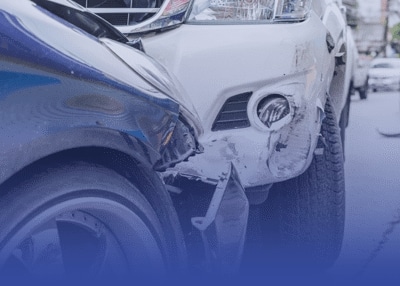
Whether your car crash was minor or serious, any injuries sustained in an accident can be painful and costly.
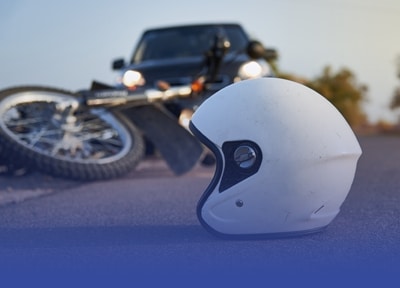
All motorcycle accidents are different, the compensation you receive will depend on the circumstances surrounding your accident.
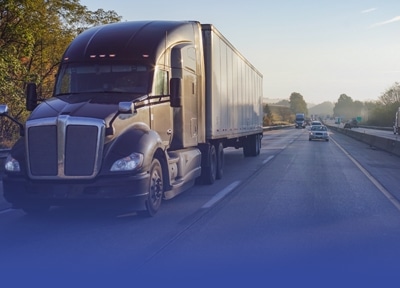
A truck accident can be catastrophic, even in low-impact crashes, if you or your family are involved, you may be entitled to significant financial compensation.
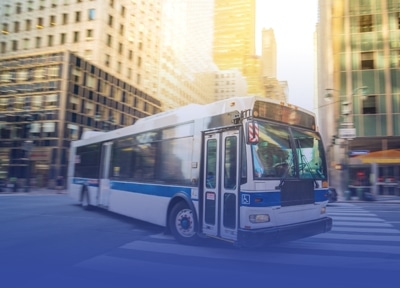
There are dozens of accidents involving school buses each year, most commonly, involving children outside a school bus.
Explore Articles Related to Your Situation

When you approach an intersection and if a traffic signal light is not working, you must treat ...
read more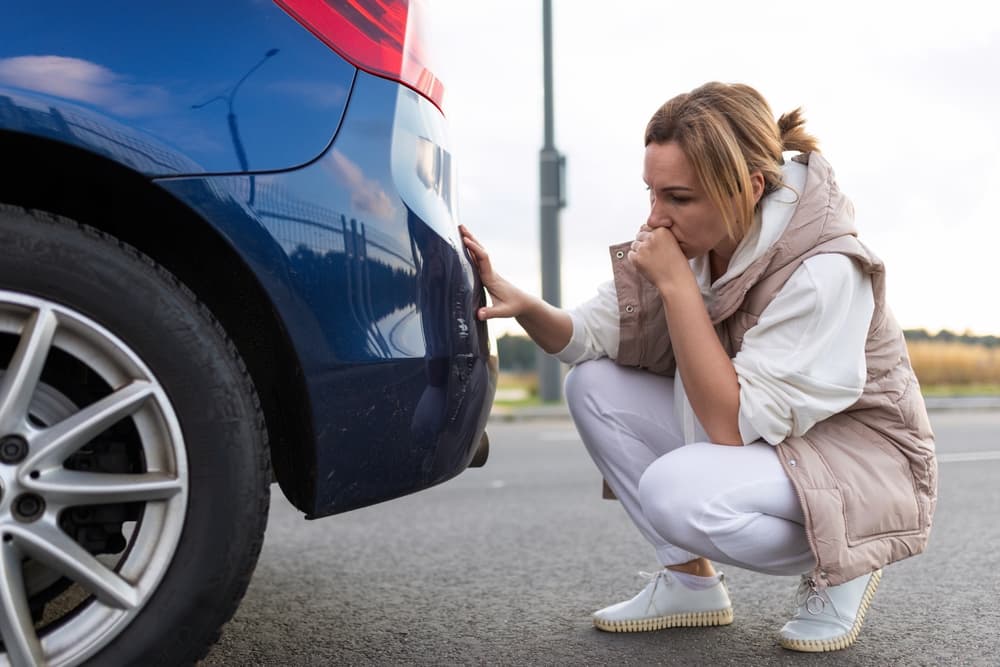
According to the National Safety Council, 3.7 million vehicle crashes resulted in medically con...
read more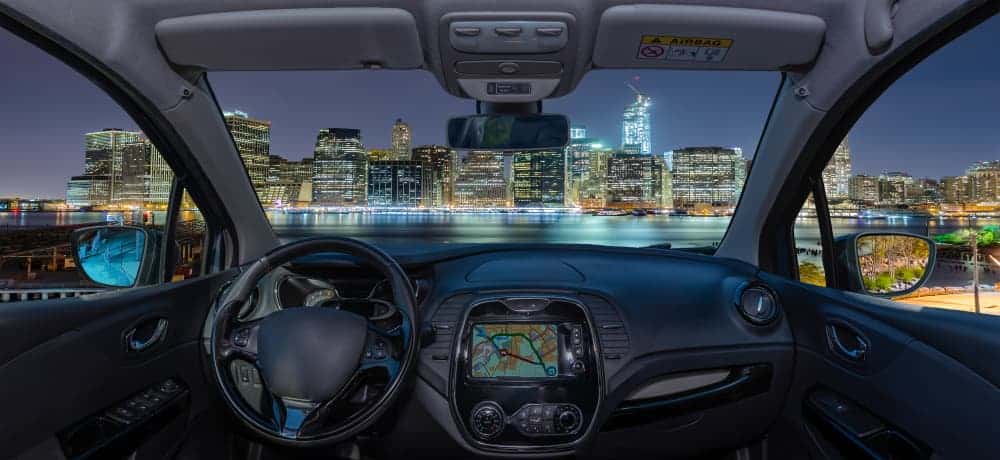
Why Is Night Driving So Dangerous in NY? Although a quarter of driving occurs at night, 50% of ...
read more
Lower back pain after a car accident is a common symptom of ligament damage, pinched nerve, or ...
read moreWe are always available to discuss your case. Give us a call at (800) 800-0000.
Fill out our form and we will contact you shortly to discuss your case
Our attorneys will come to your home, office or hospital at your convenience.
We are available anytime, including after hours and
weekends.
500 Pearl Street
Suite #700
Buffalo, NY 14202
Phone: (800) 800-0000
Fax: +1 (800) 853-5153
420 Lexington Avenue
Suite #2140
New York, NY 10170
Phone: (800) 800-0000
Fax: +1 (800) 853-5153
600 Old Country Road
Suite #425
Garden City, NY 11530
Phone: (800) 800-0000
Fax: +1 (800) 853-5153
28 East Main Street
Suite #600
Rochester, NY 14614
Phone: (800) 800-0000
Fax: +1 (800) 853-5153
451 Grider Street
Buffalo, NY 14215
Phone: (800) 800-0000
Fax: +1 (800) 853-5153
633 West 5th Street
Suite #1750
Los Angeles, CA 90071
Phone: (800) 800-0000
Fax: +1 (888) 800-7050
555 12th Street
Suite #1470
Oakland, CA 94607
Phone: (800) 800-0000
Fax: +1 (888) 800-7050
655 W. Broadway
Suite #940
San Diego, CA 92101
Phone: (800) 800-0000
Fax: +1 (888) 800-7050
