24 June, 2026
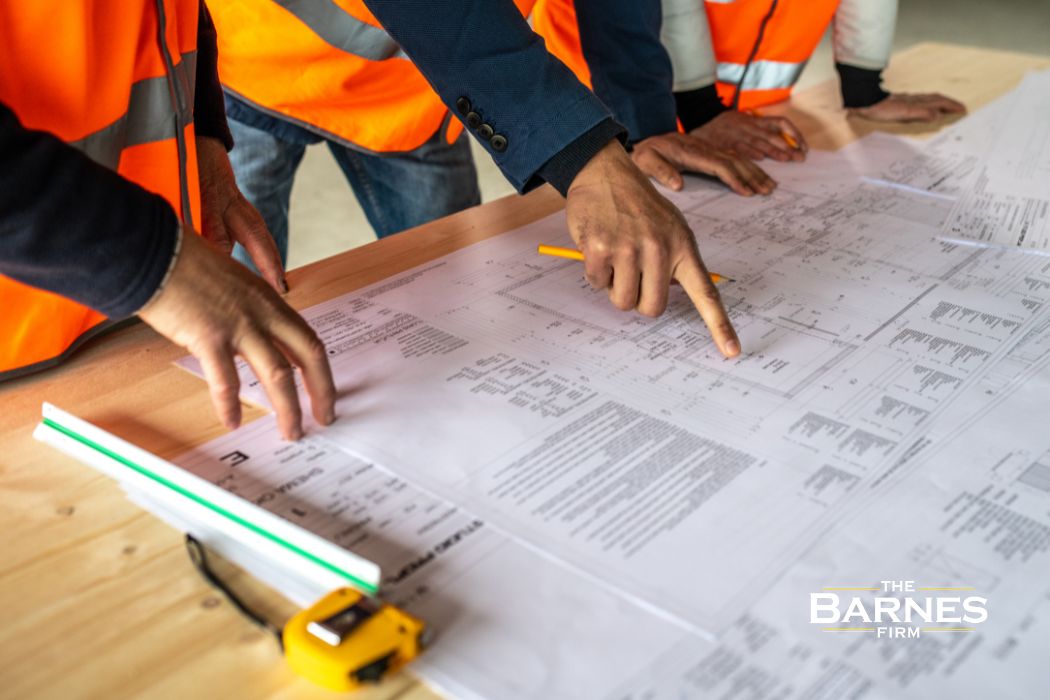
Construction work is essential to Long Island’s continued growth, but busy jobsites can also create serious risks for workers. With ongoing development, renovations, roadwork, and property improvements happening throughout the area, construction workers may face hazards from heights, heavy equipment, falling materials, unsafe walking surfaces, and changing weather conditions.
If you were hurt on a jobsite, it is normal to feel overwhelmed and unsure about what comes next. At The Barnes Firm, we understand that injured workers may be dealing with pain, missed work, medical appointments, and questions about who may be responsible.
If you were injured on a construction site and have questions about what to do next, The Barnes Firm is here to help. Call (800) 800-0000 to speak with a team member and learn more about your options.
The first step after a construction accident should focus on safety, medical care, and making sure the incident is properly documented. Even if you believe your injury is minor, construction-related injuries can worsen after the initial shock wears off.
If possible, take these steps:
Many workers hesitate to report an accident because they are concerned it could impact their job. Reporting the accident helps create a record of what happened and may be important if questions arise later about the cause of the injury.
Documentation can be one of the most important parts of protecting yourself after a jobsite injury. Details can change quickly on a construction site. Equipment may be moved, debris may be cleared, and unsafe conditions may be repaired after the incident.
If you are physically able, or if someone you trust can help, try to document:
For a jobsite injury on Long Island that workers experience during active construction, these details may help clarify what happened and whether unsafe conditions played a role. Medical records, follow-up appointments, and work restrictions should also be saved.
Construction sites often involve multiple companies working at the same time. A worker may be employed by one company while another contractor controls equipment, safety procedures, scaffolding, materials, or part of the site.
This can make construction accident claims more complex than other injury situations. Responsibility may depend on several factors, including:
Someone dealing with a Long Island construction site injury may not know right away who was responsible. That is one reason it can be helpful to preserve as much information as possible before the jobsite changes.
Some construction accident cases involve New York Labor Law protections, including sections commonly associated with elevation-related hazards and construction site safety. These laws may be relevant in certain cases involving falls, scaffolding, ladders, hoists, demolition, excavation, or other dangerous construction conditions.
Labor Law 240 is often discussed in connection with elevation-related risks, such as falls from heights or injuries involving falling objects. Labor Law 241 addresses certain safety requirements related to construction, excavation, and demolition work.
These laws do not apply the same way in every situation. The facts matter, including the type of work being performed, the hazard involved, the parties responsible for the site, and how the accident occurred.
If you are trying to understand what to do after a construction accident on Long Island following a fall or another serious jobsite incident, learning whether these laws may apply can be an important step.
Construction accidents can happen for many reasons. On Long Island, active development, tight work areas, shifting traffic patterns near jobsites, and weather conditions can all affect jobsite safety.
Common causes of construction accidents include:
While not every accident is the result of negligence, many serious construction injuries involve unsafe conditions or failures to follow proper safety procedures. Identifying what caused the incident can be an important step in understanding your rights and what legal options may be available to help you recover.
A construction injury can affect more than your immediate health. Depending on the severity of the injury, it may disrupt your ability to work, care for your family, attend appointments, or return to your usual routine.
Losses related to a construction accident may include:
Questions about injury compensation often depend on the type of claim involved and the facts surrounding the accident. While workers’ compensation may provide certain benefits through your employer, our firm focuses on pursuing compensation through third-party injury claims when another party contributed to the unsafe condition.
A Long Island construction accident lawyer can help explain how a third-party injury claim may apply and why the source of compensation may not always be obvious at first.
After a construction accident, an attorney can help you understand what steps may be available and how different factors could affect your situation. Construction injury cases often involve multiple parties, changing jobsite conditions, and overlapping legal considerations, which can make it difficult to determine what happened and who may be responsible.
A Long Island construction accident lawyer may be able to assist by:
Even if you are unsure about the cause of the accident or the severity of your injuries, speaking with an attorney can provide clarity. During a stressful time, having access to clear, practical guidance can make it easier to understand your situation and next steps. Legal support can help you understand your options and make informed decisions moving forward.
After a construction accident, the most important steps are to protect your health, report the incident, document what happened, and keep organized records. Construction sites change quickly, so preserving information early can be meaningful.
Knowing what steps to take after a construction accident on Long Island can help you better manage medical care, reporting requirements, documentation, and your available options. Because construction accident claims may involve contractors, property owners, safety rules, and New York Labor Law considerations, getting guidance can help clarify the path ahead.
If you have questions after a construction accident on Long Island, The Barnes Firm is available to provide guidance. To learn more, contact The Barnes Firm online or at (800) 800-0000.
Written by The Barnes Firm, reviewed by Richard Barnes
Richard Barnes: “As President of The Barnes Firm, I have dedicated my career to achieving justice in hundreds of cases for the victims of injuries caused through the fault of others. Additionally, I have been honored to have been elected Best Lawyer and a Super Lawyer”
Years of Experience: 30+ years
LinkedIn Profile: Richard Barnes

Getting our clients the best results possible.
or call us at
(800) 800-0000

“I had an outstanding experience with The Barnes Firm, thanks to Nahuel Cruz and Aybike Donuk. Their professionalism, expertise, and dedication were evident through...
“Both Jeff Bodily and Mayra Wallis were wonderful to deal with. Very professional, knowledgeable, supportive and helped me navigate through a very stressful time af...
“My personal Injury Attorney was Jake Otis, he provided accurate timely advise and encouragement throughout the process. He is a true gentleman , his knowledge and ...
“I’ve had an exceptional experience with Mory Ahmadi, Esq. from the Barnes Firm. Mory’s professionalism, knowledge of personal injury law, and compassionate app...
“My personal injury lawyer was The Barnes Firm, they helped me with my injury lawsuit. I can’t thank them enough! John Sheehan and his team were there for me ever...
“I had a great experience working with Richard Amico and his team. They were responsive to my questions and got me a great settlement. They definitely were working ...

This page has been written, edited, and reviewed by a team of legal writers following our comprehensive editorial guidelines. This page was approved by attorney president Rich Barnes who has more than 30+ years of legal experience as a practicing personal injury trial attorney.
The Barnes Firm is here to help you. Our personal injury firm helps individuals and their families who
have suffered an injury in an accident.
Whether your car crash was minor or serious, any injuries sustained in an accident can be painful and costly.

All motorcycle accidents are different, the compensation you receive will depend on the circumstances surrounding your accident.

A truck accident can be catastrophic, even in low-impact crashes, if you or your family are involved, you may be entitled to significant financial compensation.
There are dozens of accidents involving school buses each year, most commonly, involving children outside a school bus.
Explore Articles Related to Your Situation

Many construction accidents result in severe injuries that require significant medical treatmen...
read more
There's no waiting period if you want to file a claim for a construction accident claim. You ca...
read more
Construction is part of everyday life in New York City. From high-rise developments to sidewalk...
read more
While construction is an essential industry that employs millions of Americans, it also poses h...
read moreWe are always available to discuss your case. Give us a call at (800) 800-0000.
Fill out our form and we will contact you shortly to discuss your case
Our attorneys will come to your home, office or hospital at your convenience.
We are available anytime, including after hours and
weekends.
500 Pearl Street
Suite #700
Buffalo, NY 14202
Phone: (800) 800-0000
Fax: +1 (800) 853-5153
420 Lexington Avenue
Suite #2140
New York, NY 10170
Phone: (800) 800-0000
Fax: +1 (800) 853-5153
600 Old Country Road
Suite #425
Garden City, NY 11530
Phone: (800) 800-0000
Fax: +1 (800) 853-5153
28 East Main Street
Suite #600
Rochester, NY 14614
Phone: (800) 800-0000
Fax: +1 (800) 853-5153
451 Grider Street
Buffalo, NY 14215
Phone: (800) 800-0000
Fax: +1 (800) 853-5153
633 West 5th Street
Suite #1750
Los Angeles, CA 90071
Phone: (800) 800-0000
Fax: +1 (888) 800-7050
555 12th Street
Suite #1470
Oakland, CA 94607
Phone: (800) 800-0000
Fax: +1 (888) 800-7050
655 W. Broadway
Suite #940
San Diego, CA 92101
Phone: (800) 800-0000
Fax: +1 (888) 800-7050
