
Defective medications can cost patients their lives and long-term health. Patients who expected healing or symptom relief instead face devastating consequences, from unexpected medical costs to the loss of a beloved family member.
If you have suffered harm because of a faulty or otherwise hazardous medication, defective drug attorneys in San Diego are here to help. The team at The Barnes Firm has extensive experience fighting for consumer rights across the city and can help you hold responsible parties accountable.
Why Choose The Barnes Firm for Your Defective Drug Case in San Diego?
Cases involving dangerous medications require a skilled attorney with in-depth knowledge of the local medical and legal landscape. As San Diego personal injury lawyers, we are intimately familiar with the city’s health care systems, hospitals, pharmacies, and court systems.
Our attorneys have over 500 years of combined experience and have successfully resolved more than 150,000 cases. We have a strong track record of favorable case results and can help you to pursue the best outcome possible. Consultations are free, and there’s no fee unless we win.
Testimonials From Our Satisfied Clients in San Diego
Janeen P.


They were very helpful and thorough. They got me a whole lot more money than I ever would have gotten trying to fight the insurance company on my own.
Jim W.
Allen R. Oghassabian was the absolute best! He worked very hard to get our family the best settlement possible! A real bulldog! I’m proud and very happy to have had him handling our case.
Joanna O.
My personal injury lawyer was Allen Oghassabian, and he has been helping me and my husband with our lawsuit. Life can change in the blink of an eye. My husband and I have been facing the most difficult time in our lives, and Allen was able to relieve us of some of that stress. Unfortunately, no one can ever take away what happened, but Allen has helped us get through in ways we could not on our own. He truly cares for his clients. We are so glad we found him. We can’t thank him enough for all his hard work.
Meet Our San Diego Defective Drug Attorneys

Jeffrey Bodily – San Diego, CA
Jeffrey Bodily is a senior trial attorney with experience in courtrooms across Southern California. He graduated from Brigham Young University’s J. Reuben Clark Law School and is admitted to the bar of California and U.S. federal district courts.

Scott Kennedy – San Diego, CA
A practicing attorney for over 30 years, Scott Kennedy has secured more than $60 million in client verdicts and settlements. He has earned admission to the California Bar as well as the U.S. District Court for the Central, Eastern, and Southern Districts of California.

Allen Oghassabian– San Diego, CA
A native San Diegan, Allen Oghassabian received his undergraduate degree with honors from San Diego State University. He studied at California Western School of Law on a merit scholarship and served as a public defender before shifting his focus to personal injury.
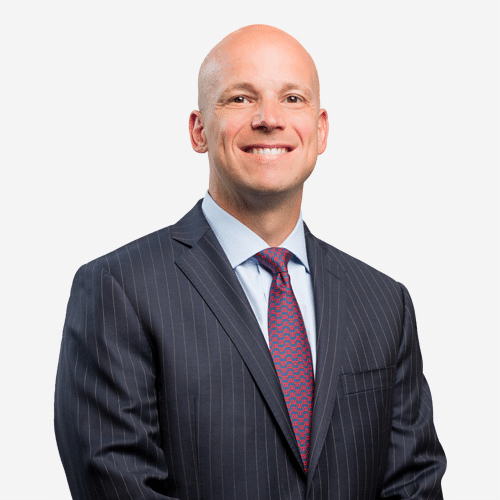
Christian Oliver – San Diego, CA
Christian Oliver attended law school at the University of Buffalo, where he served on the National Trial Team. He joined The Barnes Firm’s predecessor, Cellino & Barnes, in Manhattan and stayed with the firm in its move to California. He now serves as a managing attorney of The Barnes Firm.
What Is Considered a Defective Drug?
Product liability claims over dangerous drugs can be based on any of the following three types of defects:
- Design defects: An ingredient or combination of ingredients can make a drug unreasonably hazardous to patients.
- Manufacturing defects: Errors can occur on the production line or during the shipping process, causing contamination or chemical imbalances. Labeling errors are also possible, causing the patient to receive the wrong drug.
- Marketing defects: These occur when manufacturers fail to provide safe use instructions or warn patients of side effects.
These defects can be present in prescription drugs ranging from opioids and blood pressure medication to antidepressants. There have been several instances recorded among low testosterone drugs and diabetes medications.
Defects may also occur in over-the-counter drugs, such as antacids and cold medications, and medical devices, such as hernia mesh or intrauterine devices.
Who Can Be Held Liable in a Defective Drug Case?
Liability for a defective drug can extend to any party along the distribution chain.
Drug Manufacturers
Design, production, or marketing defects can lead to a defective drug. For instance, a drug might have a dangerous side effect that could have been detected with adequate testing, or a drug may have been contaminated with a hazardous substance during manufacture.
Manufacturers are also responsible for understanding the side effects and providing sufficient warnings to health care professionals and patients. Thus, inadequate labeling can give rise to a product liability claim.
Distributors and Pharmacies
Incorrect labeling or packaging on a distributor’s or pharmacy’s part may lead to the patient taking the wrong amount or type of medication, potentially suffering serious harm.
What Are the Risks and Injuries Linked to Defective Drugs?
All medications have potential side effects, but defective and dangerous drugs impact the body in more severe ways. Here are some of the most common adverse effects from defective drugs:
- Organ damage: Drugs may damage internal organs, including the liver, kidneys, or heart. For example, the diabetes drug Invokana may cause issues such as kidney failure, heart attacks, or a diabetic coma.
- Cancer risk: Manufacturers must warn patients if a drug increases the risk of certain cancers. Our attorneys are developing a lawsuit against the manufacturers of Januvia, which may have patients at risk of pancreatic cancer.
- Internal bleeding: Patients have a right to know if their medication increases the risk of bleeding, which can cause organ failure or death if not treated.
- Birth defects: Some drugs can harm a patient’s unborn baby if taken during pregnancy. Providers and manufacturers must take the proper steps to prevent these consequences.
- Suicidal ideation: Thoughts of self-harm can occur with certain drugs and may result in death. Warnings are essential.
What Compensation Can You Recover in a Defective Drug Lawsuit?
In a defective drug lawsuit, you can pursue compensation for several types of damages. You can seek compensatory damages, which address the economic and non-economic losses related to your injury, such as the following:
- Past and future medical bills: Doctor’s visits, hospital stays, medication, surgeries, physical therapies
- Lost income: Lost wages, economic opportunities, and future earning potential
- Pain and suffering: Physical effects related to your illness or injury
- Emotional distress: Covers the emotional and mental trauma of your injury
- Reduced quality of life: Effects of physical limitations incurred through taking the drug
Additionally, punitive damages may be available if there is clear and convincing evidence that the defendant is guilty of oppression, fraud, or malice on the defendant’s part.
A wrongful death lawsuit can provide further damages if the defective drug led to a death. Family members may file on the deceased’s behalf and claim damages for the patient’s suffering, end-of-life costs, and loss of future support.
What Is the Statute of Limitations for Defective Drug Lawsuits in San Diego, California?
The statute of limitations in California is two years for a personal injury claim, including most product liability matters. The clock usually starts running on the date of injury.
However, many patients do not learn of a drug-related illness or injury until after the fact. In this case, under California’s delayed discovery rule, the two-year time limit may begin on the date you learned or should have learned of the injury.
Missing the applicable statute of limitations typically means losing your right to sue. To avoid delays, contact an attorney as soon as possible.
Our team of attorneys want to hear from you.
If you’ve been injured in a car accident, slip and fall, construction accident, or have suffered another type of personal injury contact our team today.
Free Case Evaluation or call us: (800) 800-0000San Diego Defective Drugs Lawsuit FAQs
An individual or group may qualify to file a defective drug lawsuit if a pharmaceutical product or medical device caused unreasonable harm. There may be a defect in the product’s design, manufacture, marketing, or distribution. Contact a San Diego defective drug lawyer to learn if you may be eligible to file.
To succeed in a defective product lawsuit, a plaintiff must present evidence of a drug defect and its harm. However, drug defect cases have a strict liability standard, meaning the plaintiff need not prove any negligence by the defendant. If a consumer is harmed because of a manufacturing error, a design flaw, or inadequate warning labels, the manufacturer may be held liable, regardless of whether it did anything wrong.
FDA approval does not automatically make you ineligible to file a lawsuit, but FDA data may impact your attorney’s approach to the case. For example, if the FDA has issued a recall or warning, you may use related evidence to connect the drug to its consequences.
Most waivers do not safeguard manufacturers from liability claims, but the language of a particular waiver may provide more protection. Speak with an experienced drug injury lawyer if you have questions about anything you signed.
Straightforward lawsuits may be resolved within a year, particularly if the drug was recalled or there is other clear evidence of liability. However, more complex cases may take several years.
Contact The Barnes Firm – Get Your Free Case Review Today
If you or a loved one is suffering the effects of a defective drug, let The Barnes Firm help you get the best result possible. Our San Diego office is conveniently located downtown, or we can visit you at home, at work, or in the hospital. There’s no obligation, and no fee unless we win.
Call us today at 800-800-0000 or contact us online for your free consultation.
Written by The Barnes Firm, reviewed by Richard Barnes
Speak with a lawyer now Available 24/7
Getting our clients the best results possible.
or call us at
(800) 800-0000

“I had an outstanding experience with The Barnes Firm, thanks to Nahuel Cruz and Aybike Donuk. Their professionalism, expertise, and dedication were evident through...
Emilia C.
“Both Jeff Bodily and Mayra Wallis were wonderful to deal with. Very professional, knowledgeable, supportive and helped me navigate through a very stressful time af...
Diane Z.
“My personal Injury Attorney was Jake Otis, he provided accurate timely advise and encouragement throughout the process. He is a true gentleman , his knowledge and ...
Joseph F.
“I’ve had an exceptional experience with Mory Ahmadi, Esq. from the Barnes Firm. Mory’s professionalism, knowledge of personal injury law, and compassionate app...
Rosa E.
“My personal injury lawyer was The Barnes Firm, they helped me with my injury lawsuit. I can’t thank them enough! John Sheehan and his team were there for me ever...
Melissa G.
“I had a great experience working with Richard Amico and his team. They were responsive to my questions and got me a great settlement. They definitely were working ...